The Wheel of the Year is an annual cycle of seasonal festivals observed by many Pagans and Witches, particularly Wiccans. Marking the changing seasons and the Earth's journey around the Sun, it represents the continuous cyclical nature of life, death, and rebirth. These eight festivals, collectively known as the Sabbats, reflect the physical changes in nature, from the blossoming of spring to the final harvest of autumn.
The Sabbats are deeply connected to the Sun's journey, marking its points of strength and weakness throughout the year. They are divided into two distinct categories: The Four Greater Sabbats (also known as "fire festivals" or "cross-quarter" days, which mark the midpoints between solstices and equinoxes) and the Four Lesser Sabbats (which align with the solstices and equinoxes themselves).
- Samhain (Oct 31st): Marks the beginning of the Pagan new year, a time to honor ancestors.
- Yule (Winter Solstice): Celebrates the rebirth of the Sun.
- Imbolc (Feb 1st/2nd): Celebrates the first signs of spring and purification.
- Ostara (Spring Equinox): Celebrates balance and new beginnings.
- Beltane (Apr 30th/May 1st): Celebrates fertility and the coming of summer.
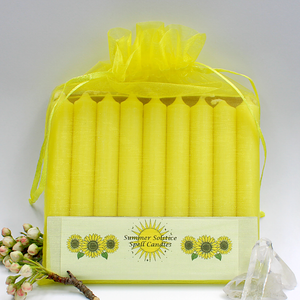
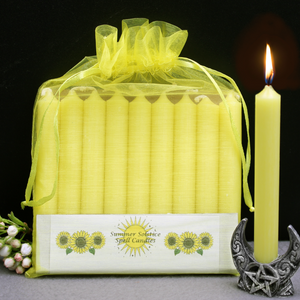
- Litha / Midsummer (Summer Solstice): Celebrates the peak of summer and the Sun's power.
- Lughnasadh / Lammas (Aug 1st): Celebrates the first harvest.
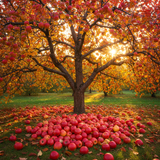
- Mabon (Autumn Equinox): Celebrates the second harvest, balance, and giving thanks.
At the Heart of the Wheel is profound spiritual significance. For Witches, Wiccans, and Pagans, these festivals are times of connection, ritual, and celebration. In essence, the Witches' solar observances are a powerful way to honor and align with the natural rhythms of the Earth and shop the Wheel of the Year.